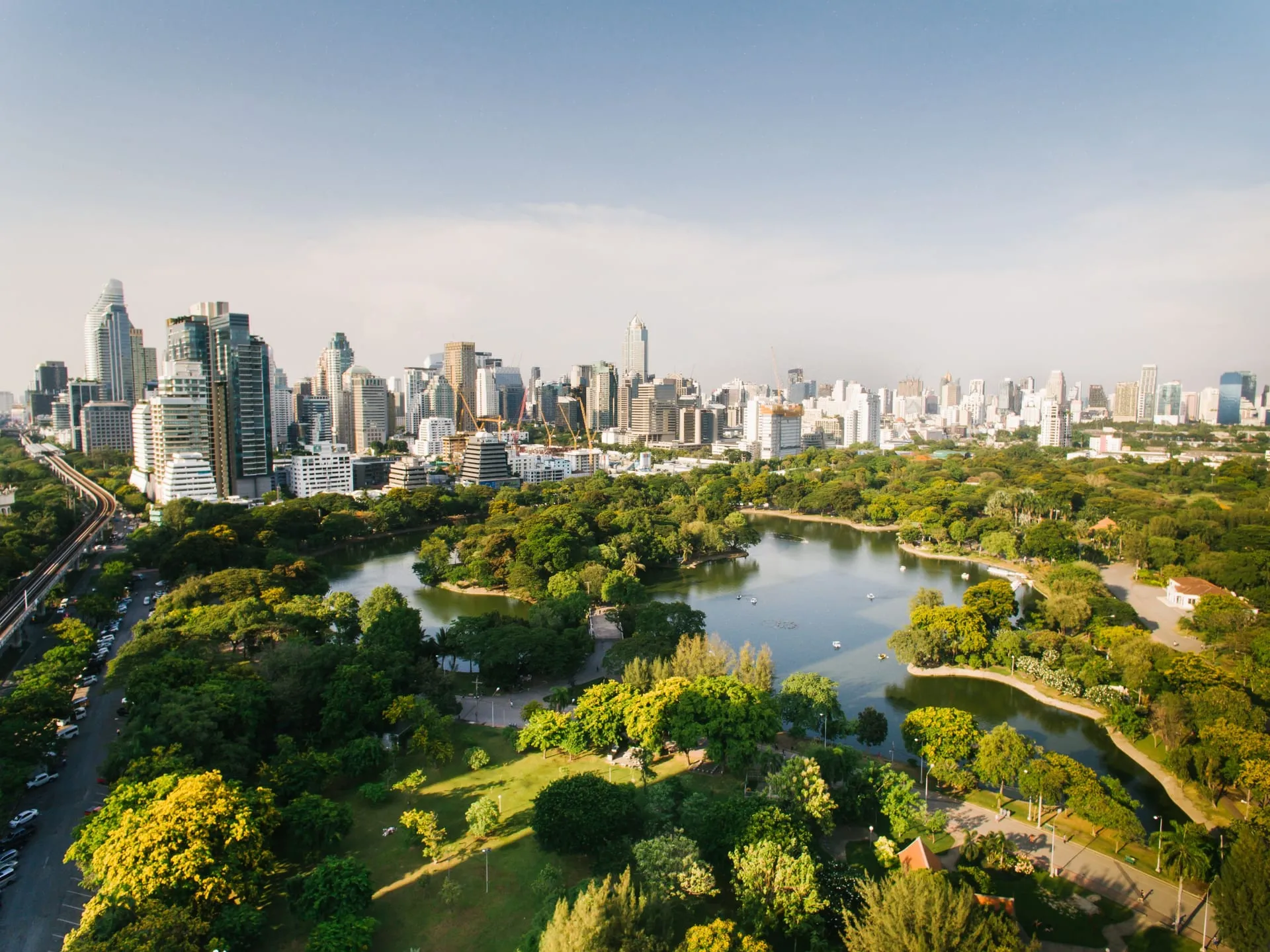
Nature
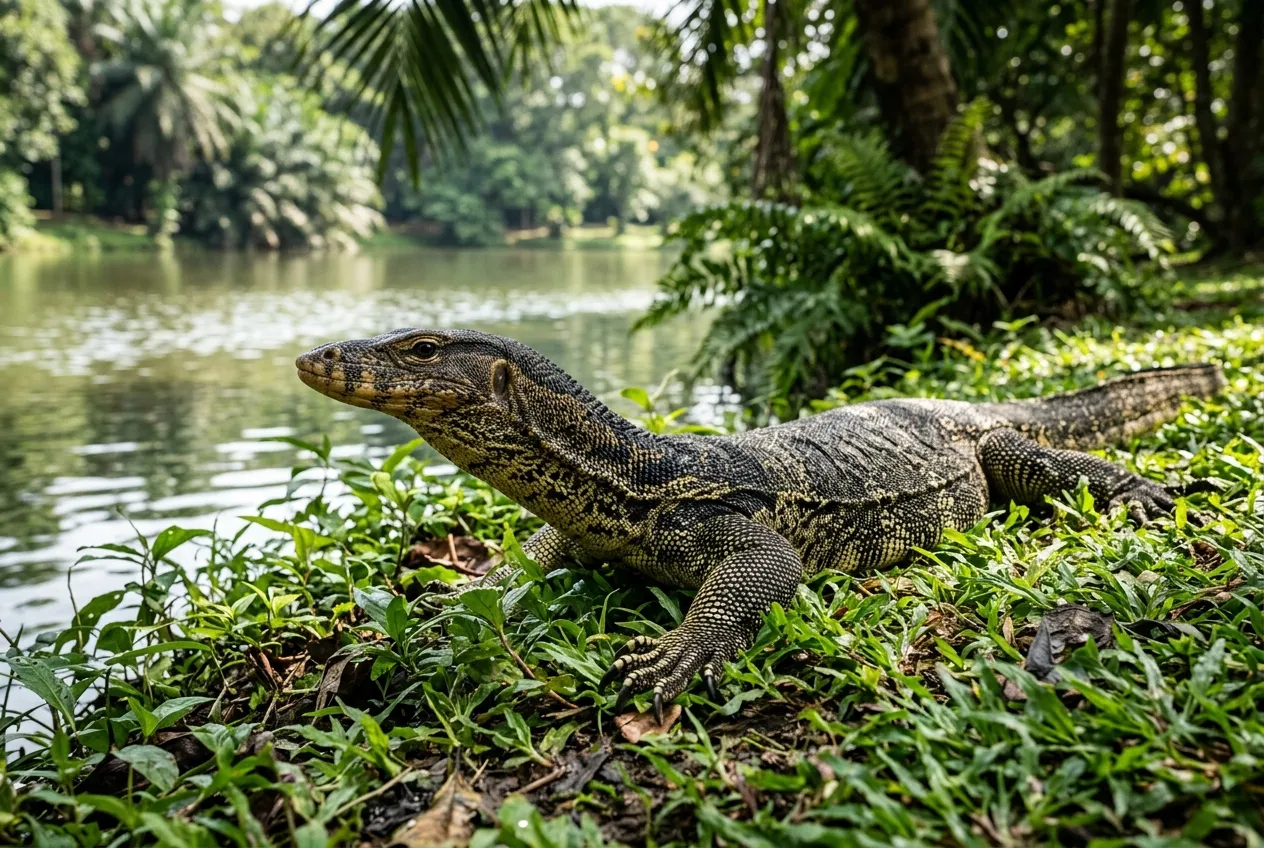 Varanus salvator
Resident monitor lizards
Lumphini Park is famous for its large population of free-roaming Asian water monitor lizards.
These prehistoric-looking reptiles are the world's second-largest lizard species. You will often see them swimming in the lakes, basking on the lawns, or climbing trees. They are generally calm if left alone and play a vital role in the park's local ecosystem by cleaning up organic waste and controlling pests.
The feline residents
You’ll see many friendly cats along the walking paths. Local volunteers and park staff take care of them, and they are a popular part of the park’s daily life.
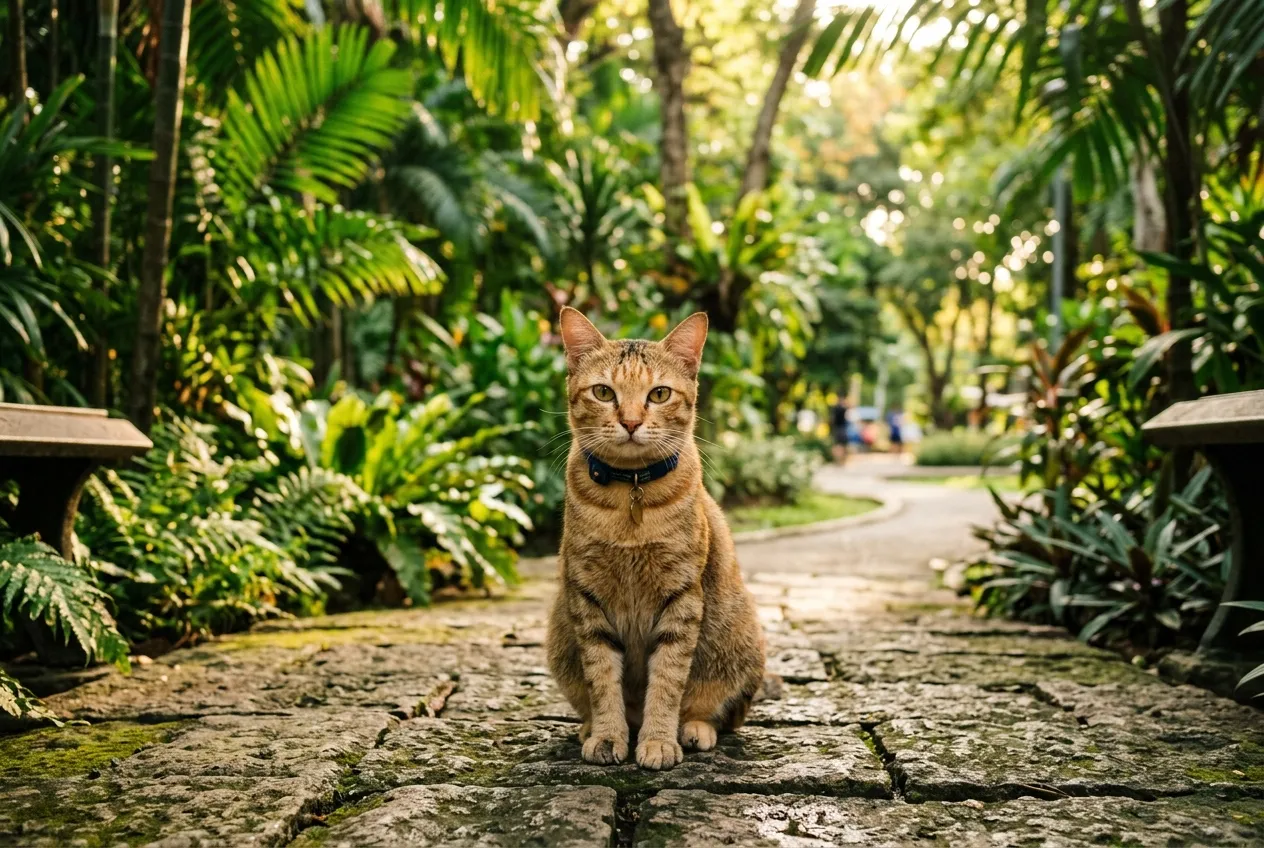 Felis catus
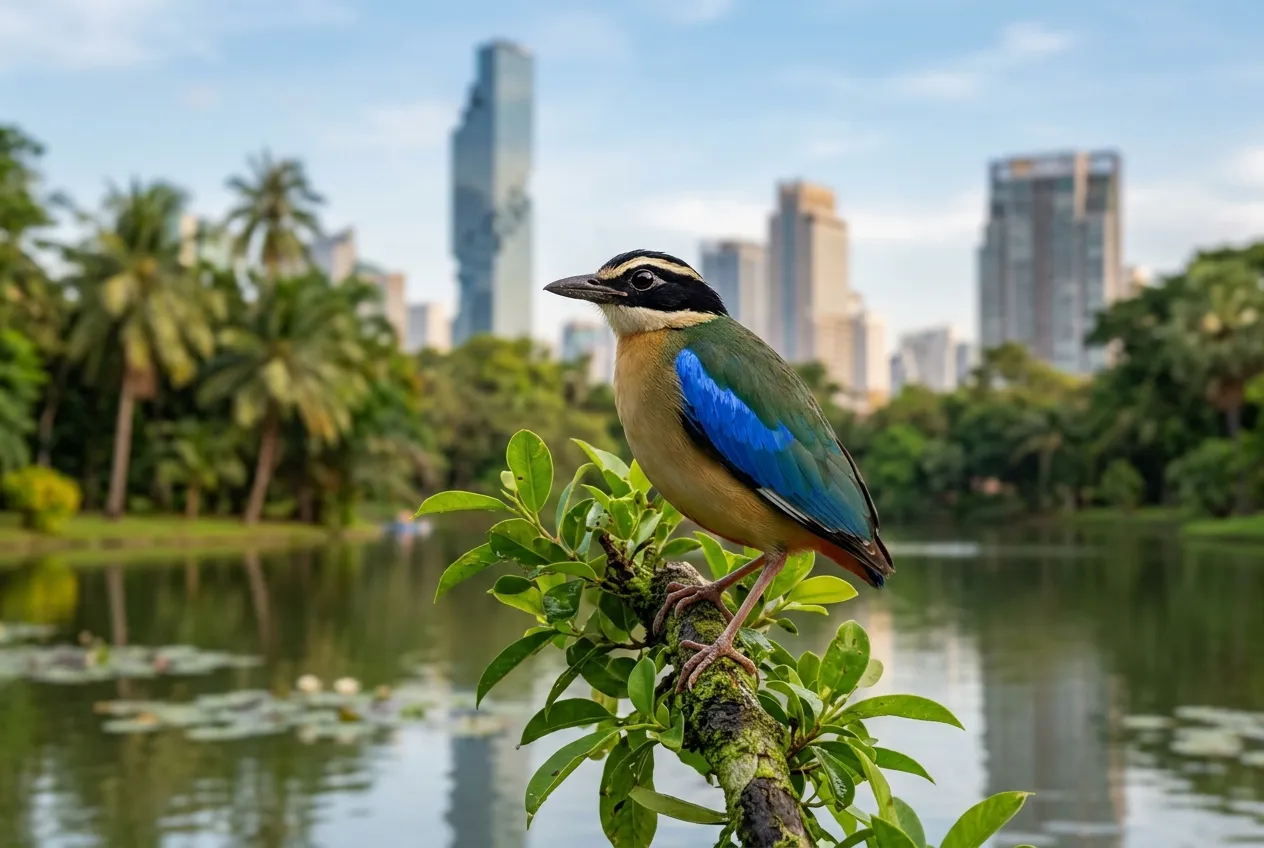 Aves
AvesAvian sanctuary
The park is a popular spot for urban bird watching. Over 30 bird species live here or migrate through during the winter months, including egrets, herons, barbets, and kingfishers near the water. Lumpini Park is also listed as an active hotspot on the global eBird database, with more than 100 species recorded by local birdwatchers.
Botanical canopy
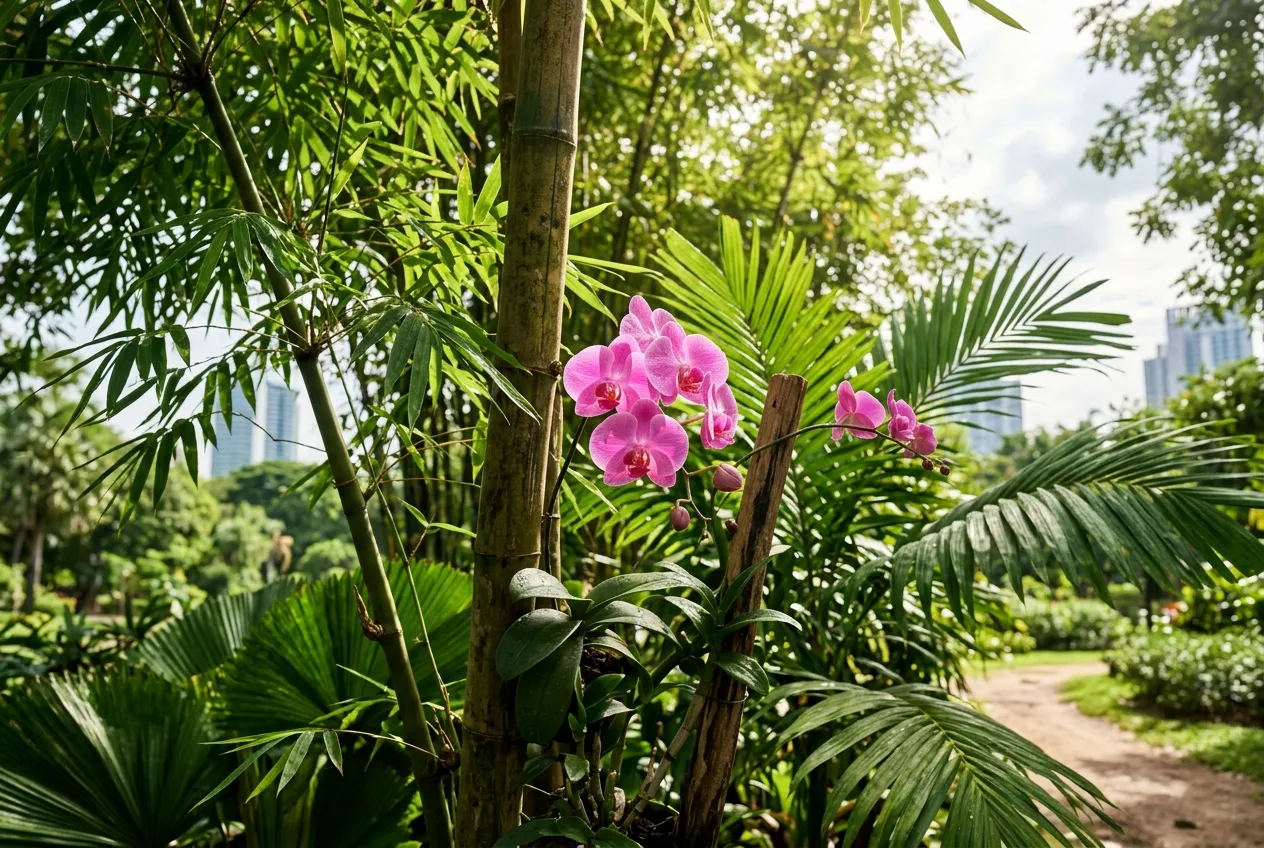
The trees and plants help cool down this part of the city. Shaded by rain trees, palms, and bamboo, the park has a palm garden and a Chinese-style garden.
 Plantae
Frequently asked questions about wildlife in Lumpini Park
Essential safety tips and information about monitor lizards, birdwatching, and resident animals.
Q: What types of trees and gardens can be found in Lumpini Park?
Lumpini Park is home to mature rain trees, banyans, bamboo, and palms. It also features themed botanical spaces, including a palm garden and a traditional Chinese garden.
Q: Can I feed the fish, turtles, or birds in the lakes?
No. Feeding any wildlife, including fish, turtles, pigeons, and monitor lizards, is strictly prohibited by the park administration. Feeding causes water pollution in the lakes, triggers algal blooms, and disrupts the animals' natural feeding habits.
Q: What is the best time for birdwatching in Lumpini Park?
The early morning (from 6:00 AM to 8:00 AM) and late afternoon are the best times to spot birds. During the cooler winter months (November to February), the park attracts many migratory species, including herons, egrets, and kingfishers.
Q: Are the cats in Lumpini Park stray or looked after?
The resident cats are looked after by a community of local volunteers and park officers, with support from BMA programs that aim to vaccinate, neuter, and feed them at designated feeding stations to keep the feline population healthy and stable.
Q: Are there Komodo dragons in Lumpini Park, and are the lizards dangerous?
No, there are no Komodo dragons in Lumpini Park. The large reptiles swimming in the lakes and walking on the grass are Asian Water Monitor Lizards (Varanus salvator). They are not venomous to humans and will leave you alone if you do not corner, provoke, or try to feed them. Please keep a safe distance of 2 to 3 meters.